
Each week, we send out three bite-sized tidbits with upcoming events: Teaching Tip, Research Review, and Favorite Resource. Find the archived postcards here.
See all Teaching Tips | See all Research Reviews | See all Favorite Resources
Teaching Tips 💡
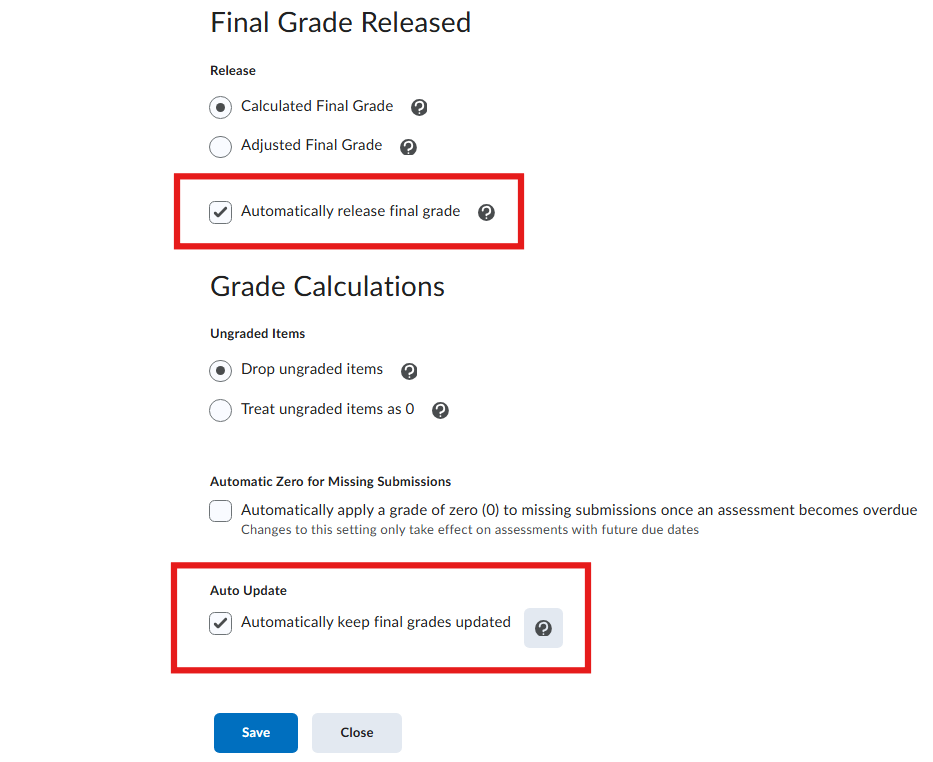
Grading Transparency
One of our UMPI Academic Commitments is “A clear and fair grading system”. Do your students know how their final grade is determined and can they keep track of their…

Help with Grading? Yes, please!
Admit it—sometimes there are other things you would rather be doing than grading. You can speed up the process with a little help from Gemini which protects student data privacy…
Improving the YouTube Experience for Your Learners
When you share a YouTube video for learners, annoying ads can disrupt the viewing experience and detract from the valuable content you chose. While the video may contain useful information,…
Research Review 🔍
Hyflex learning and student engagement in higher education: a systematic literature review
This open-access systematic literature review, published in Frontiers in Education, synthesizes current research on HyFlex (Hybrid-Flexible) course models in higher education — a format in which students choose, session by…

New Meta-Analysis Probes Technology’s Link to Cognitive Aging
In this meta-analysis, researchers found that use of digital technologies was associated with a reduced risk of cognitive impairment and reduced rates of cognitive decline, even when controlling for demographics,…
Flipped Feedback: Engaging Students With the Feedback Process to Enhance Evaluative Judgement
This study examines a “flipped feedback” model where students engage with feedback before final submission. Students submit a draft, review generic feedback on common errors, self-assess using a rubric, predict…
Favorite Resources 🔖
Lightcast Open Skills Taxonomy
Ready to level up your learning outcomes? Break them down into individual skills that can be mapped to currently in demand occupations.
Make America AI-Ready
Yesterday, the U.S. Department of Labor announced the launch of “Make America AI-Ready,” a free artificial intelligence literacy course that will help American workers learn the basics of AI simply…
The Three Amygdala Podcast
“The Three Amygdala” is a podcast dedicated to understanding the evidence of psychological phenomena that underlies contemporary social events and experiences. Hosted by Doctors Bill Jenkins, Paul Johnson Jr, and…